

Alternative to Meds Center Raises Awareness on Zoloft Side Effects, SSRI Withdrawal Risks, and Holistic Recovery Options
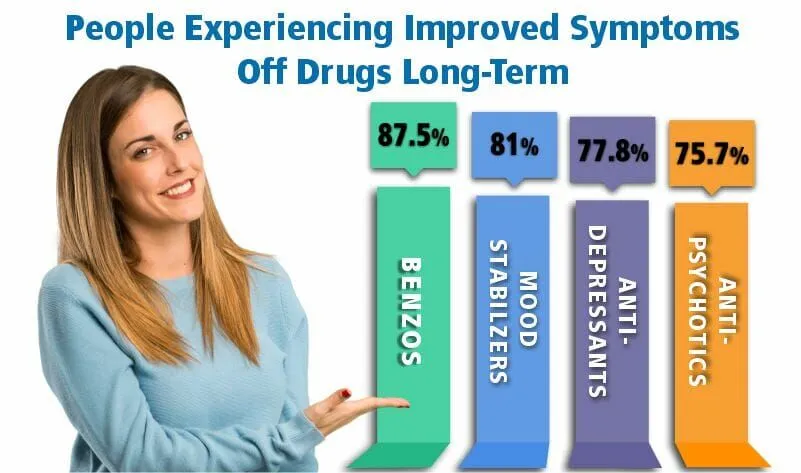
Chart illustrating reported long-term symptom improvement among individuals no longer using psychiatric medications across multiple drug categories.
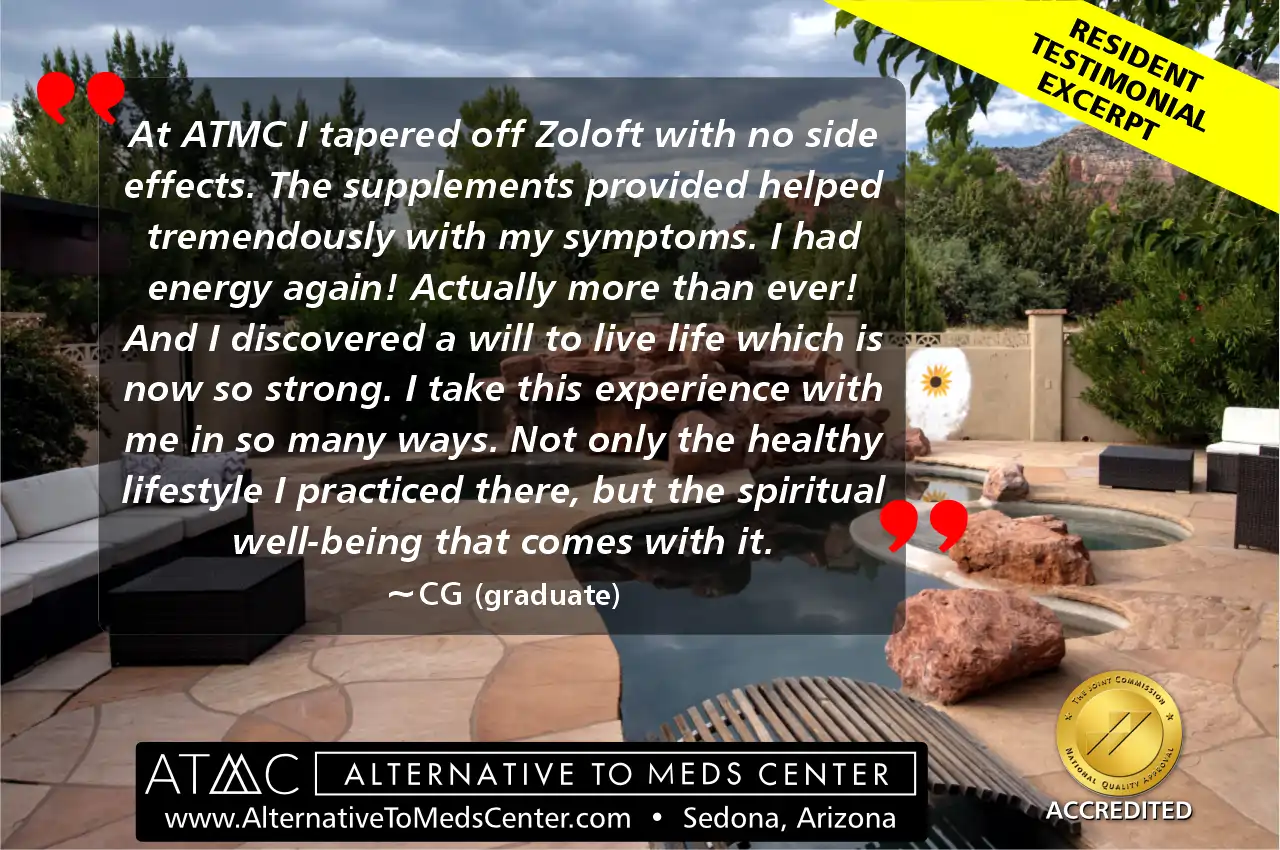
Former resident testimonial describing a successful Zoloft taper at Alternative to Meds Center with supportive supplements, lifestyle changes, and renewed energy.
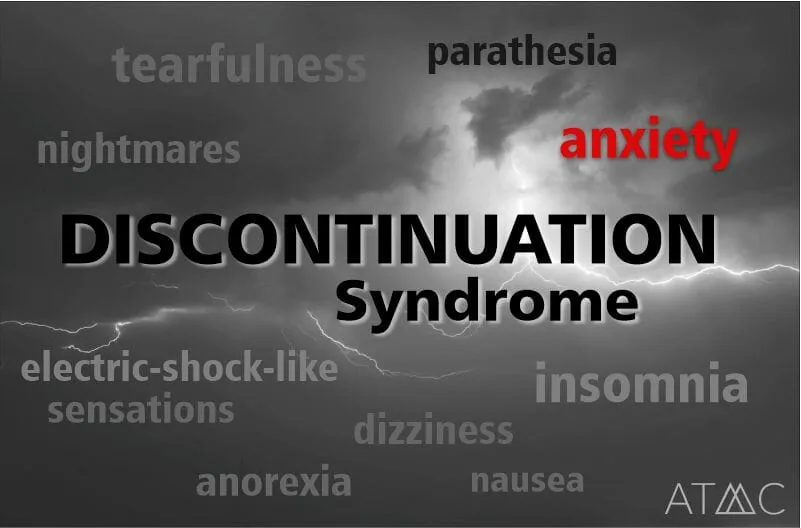
Graphic highlighting common symptoms associated with SSRI discontinuation syndrome, including anxiety, insomnia, dizziness, and electric shock-like sensations.
Sedona inpatient program educates on sertraline discontinuation, serotonin syndrome concerns, and drug-free neurotransmitter rehabilitation
Zoloft (sertraline) is an SSRI commonly prescribed for major depressive disorder, panic disorder, PTSD, OCD, PMDD, and social anxiety disorder. While some individuals experience symptom relief, others seek to discontinue due to unwanted effects that may impact quality of life—particularly with long-term use.
“People often come to us after realizing they were not fully informed about the potential intensity of SSRI withdrawal,” said a representative of Alternative to Meds Center. “Our focus is to help clients taper safely under medical oversight while supporting the body’s natural capacity to regain stability.”
Common Zoloft Side Effects and Quality-of-Life Concerns
ATMC reports that many clients begin researching Zoloft after experiencing side effects that feel more disruptive than the original symptoms. Commonly reported effects include digestive upset, sweating, sleep disruption, dizziness, dry mouth, and sexual dysfunction. In some populations—particularly young adults—prescribers may also monitor for increased suicidal thoughts, which can require urgent clinical attention.
ATMC stresses that side effects can vary significantly from person to person, and that adverse reactions may create downstream effects on work performance, relationships, sleep health, and emotional regulation.
Understanding SSRIs and Serotonin-Related Risks
SSRIs are designed to manipulate serotonin signaling in the central nervous system. Serotonin plays extensive roles throughout the body, influencing sleep, digestion, mood, energy, and circulation. ATMC notes that serotonin is often presented as primarily a “brain chemical,” yet a substantial portion is produced outside the brain, particularly in the gut.
While SSRIs are often marketed around serotonin-based theories of mood, long-term outcomes and mechanisms remain an area of ongoing scientific debate and research. ATMC encourages individuals to seek balanced education and medical guidance rather than relying solely on simplified advertising claims.
The center also highlights the importance of recognizing signs of serotonin overload. In rare but serious cases, excessive serotonergic activity can contribute to a potentially life-threatening condition commonly known as serotonin syndrome, with symptoms that may include confusion, high fever, tremors, seizures, and loss of consciousness—especially when SSRIs are combined with contraindicated medications such as MAOIs.
Physical Dependence Avoids the “Addiction” Label—but Withdrawal Can Still Be Severe
Alternative to Meds Center emphasizes a distinction often missed in public conversations: SSRIs may be labeled “non-addictive” because they do not typically cause intoxication or compulsive drug-seeking behavior. However, many individuals experience physical dependence and significant discontinuation symptoms after long-term use, which can make stopping the medication difficult without careful planning.
Withdrawal-related reactions reported by patients can include agitation, insomnia, vivid dreams, irritability, fatigue, sensory disturbances sometimes described as “electric shock” sensations, and other neurological or emotional symptoms. These reactions are a key reason clinical guidance commonly recommends a gradual taper rather than abrupt cessation.
Limited Long-Term Research and the Need for Individualized Care
ATMC notes that SSRI approvals have historically relied heavily on short-term studies, while long-term research remains comparatively limited. Many individuals seeking answers ask: “Can Zoloft cause permanent damage?” ATMC cautions that definitive conclusions about long-term neurological outcomes are difficult due to gaps in long-duration trial data and underreporting of adverse events in some research contexts.
What is clear, the center states, is that SSRI effects can be unpredictable, and discontinuation can produce debilitating symptoms—particularly when dose reductions occur too quickly or without appropriate support. ATMC urges individuals not to attempt rapid cessation or self-directed tapering without medical oversight.
Pregnancy Considerations and Risk Discussions
ATMC also encourages careful planning for individuals who are pregnant or considering pregnancy while taking Zoloft. SSRI exposure during pregnancy has been associated in some literature with increased risks, and individuals are encouraged to speak with their medical team about options. ATMC stresses that abrupt withdrawal is not recommended during pregnancy and that decisions should be individualized and medically guided.
Holistic Alternatives and Neurotransmitter Rehabilitation
Alternative to Meds Center reports that many individuals are not aware of non-drug-based approaches that may support recovery during and after tapering. ATMC’s model integrates a structured “neurotransmitter rehabilitation” framework aimed at rebuilding health foundations that influence mood and nervous system stability.
Because gut health plays a major role in neurotransmitter balance, ATMC utilizes nutrition-forward strategies designed to reduce inflammatory triggers and support microbiome health. Programs may incorporate dietary structure that removes common irritants and additives while emphasizing nutrient-dense foods, probiotics, and amino acids.
ATMC also integrates supportive therapies that may include detoxification-focused services, stress-reduction practices, counseling, and restorative modalities—delivered in a monitored inpatient setting designed to reduce external pressures and improve stabilization during tapering.
“Our objective is not just to remove a medication,” the ATMC representative added. “It’s to help clients rebuild resilience—physically, emotionally, and neurologically—so they can pursue lasting wellness without dependence on prescriptions.”
Help for Those Seeking a Safer Path Off Zoloft
Alternative to Meds Center offers inpatient programs for individuals seeking medically supervised tapering and drug-free recovery support. The center encourages those experiencing troubling Zoloft side effects, withdrawal symptoms, or concerns about long-term impact to consult a qualified professional and explore structured options for safe discontinuation.
For more information about Alternative to Meds Center’s Zoloft tapering support and holistic mental wellness programs, contact the admissions team.
Alternative to Meds Center
Alternative to Meds Center
+1 877-503-0770
webreach@alttomeds.com
Visit us on social media:
LinkedIn
Instagram
Facebook
YouTube
TikTok
X
Other
Legal Disclaimer:
EIN Presswire provides this news content "as is" without warranty of any kind. We do not accept any responsibility or liability for the accuracy, content, images, videos, licenses, completeness, legality, or reliability of the information contained in this article. If you have any complaints or copyright issues related to this article, kindly contact the author above.
